Review of Lavender Talk To The Clapham Society: 15 June 2026
29th June 2026
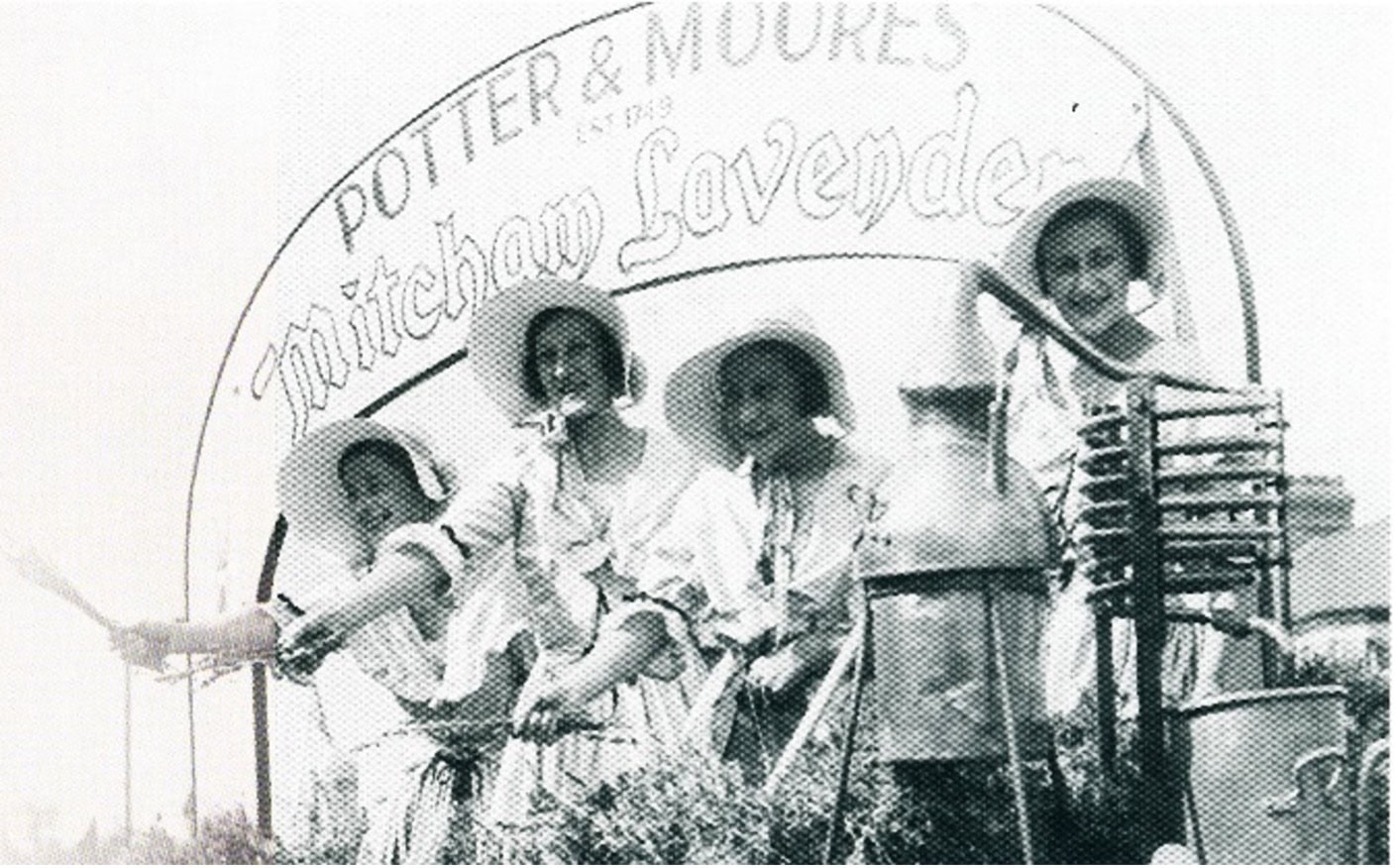
Lavender: Mitchem and Beyond presented by Alison Cousins
Prior to being an archivist at the Wandle Industrial Museum, Alison Cousins was an academic librarian at London South Bank University. She gave an interesting talk, well described as “a lavender potpourri”, starting with an introduction to the numerous varieties of lavender, their characteristics and uses before moving on to a historical overview.
When Chelsea Physic Garden could no longer cope with demand in the early 18th century, commercial cultivation started in Mitcham where the well-drained soil in the Wandle valley proved to be perfect. Lavender is recorded as having been grown for medicinal and other uses at the Priory as early as the 12th century. Lavender plants generally last about 15 years, however those grown commercially were replaced every five years with the old bushes being used for rough thatching or burned on bonfire night. Oil production could be 12 to 15 pounds per acre depending on the age of the plants and the weather.
The industry grew substantially – producing lavender water and oil as well as flowers for sale. At its peak the area boasted 14 distilleries for oil manufacture – the largest collection in the country and bigger than some in southern France. These were generally family businesses such as: Potter and Moore, Lelasseur, Sprules – many of which became well-known brand names.
More locally, the nursery on what is now known as Lavender Hill was first recorded in 1774 providing neat lavender for sale in London markets rather than for oil production. Lavender could be sold in bunches on streets but, by byelaw, not at doors. The industry started to decline throughout the twentieth century with the second world war leading to great losses of growing land and the final closures in the 1960s.
Lavender is still grown commercially in Britain and Alison recommended a visiting one of the farms to further understand this plant and its many different uses.
Reviewed by John Haworth